Case study · Design strategy & service design · 2022
Waste Wood
A Marrickville timber-recycling warehouse with a big mission and a small team. We redesigned how the store works (layout, inventory, by-products and funding) to make the business as sustainable as its values.
Waste Wood was looking for actionable strategies to improve its business model and establish its identity within the recycling community.
Two strategies with clear mechanisms (a redesigned in-store experience with inventory, and a government-funding plan) for a sustainable, economic business model.
About the client
Rescuing timber, one piece at a time
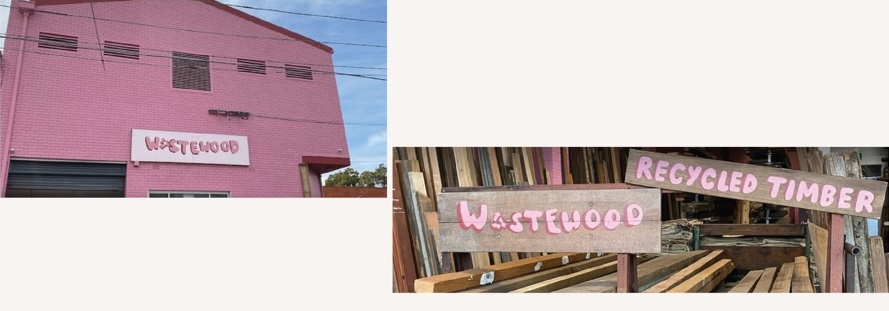
A small warehouse run by three determined people who believe in the values of Waste Wood. It has long been a place that connects passionate enthusiasts and embodies the spirit of community.
What
Waste Wood collects wood and recycles it.
Why
It rescues all types of wood and refurbishes it for reuse, a metaphor for life that pushes back against consumerism as a source of fulfilment.
When
Established in December 2018; after two years of trading, the name Waste Wood was born.
Where
Marrickville, Sydney, within the communities the wood comes from and is used in.
How
Wood is saved from demolition skips or donated by locals, reconditioned and displayed. Customers can have it cut to size with a Waste Wood machinist.
Problem statement
Big mission, no system
To expand and build its brand across the community while upholding its social beliefs, Waste Wood had to upgrade the user experience and create a sustainable business plan.
- No sustainable business model
- No financially beneficial partnerships or collaborations
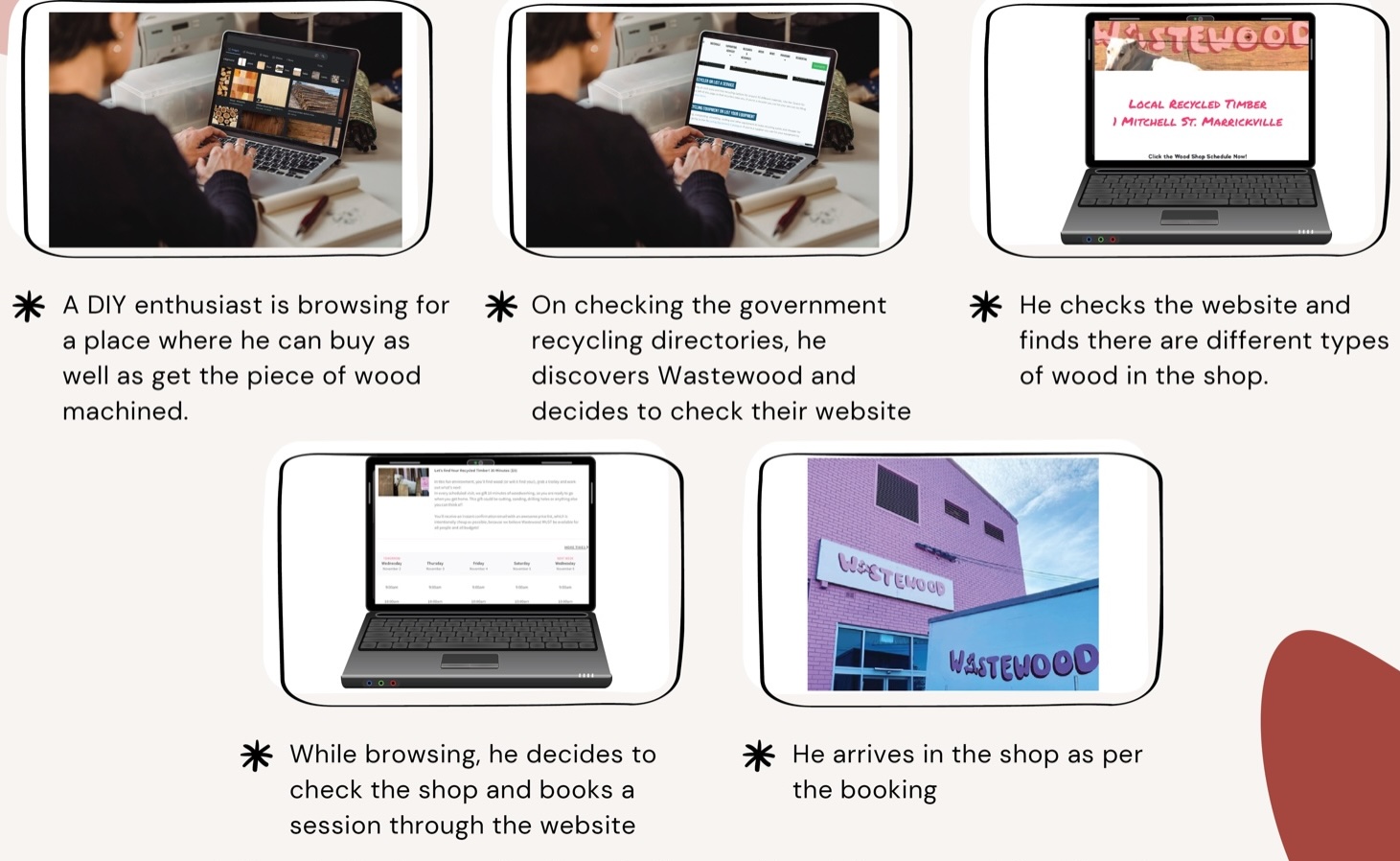
- Staff too busy machining wood to engage customers
- No definite price list or stock list in store
- Brand identity existed but customers didn't see it
- No impactful online presence
- In-store experience could be improved
Opportunities identified
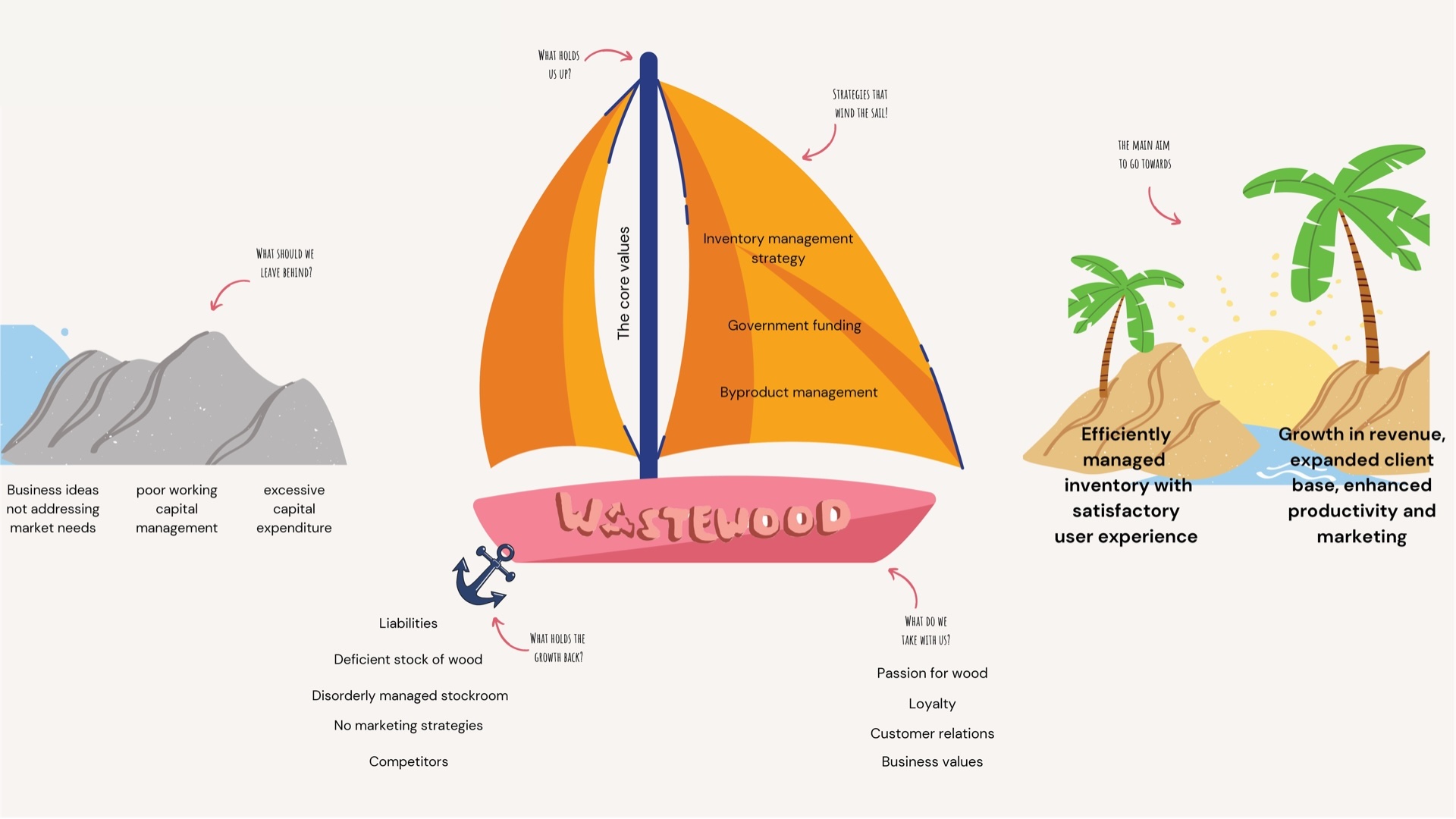
Our research and weekly meetings with the client pointed to the spaces worth exploring further.
Initial strategies

Social media marketing
Little social presence existed, so a social strategy would let them reach the community in a more meaningful way.

Website redesign
The site said little about the company: a better layout, an online shop and video tutorials.

Wood workshops
Workshops with artisans, artists and staff to build community and help DIY enthusiasts.

Wood-based products
Machining creates heavy waste that is costly to dispose of. Turn it into products sold in store.
The research
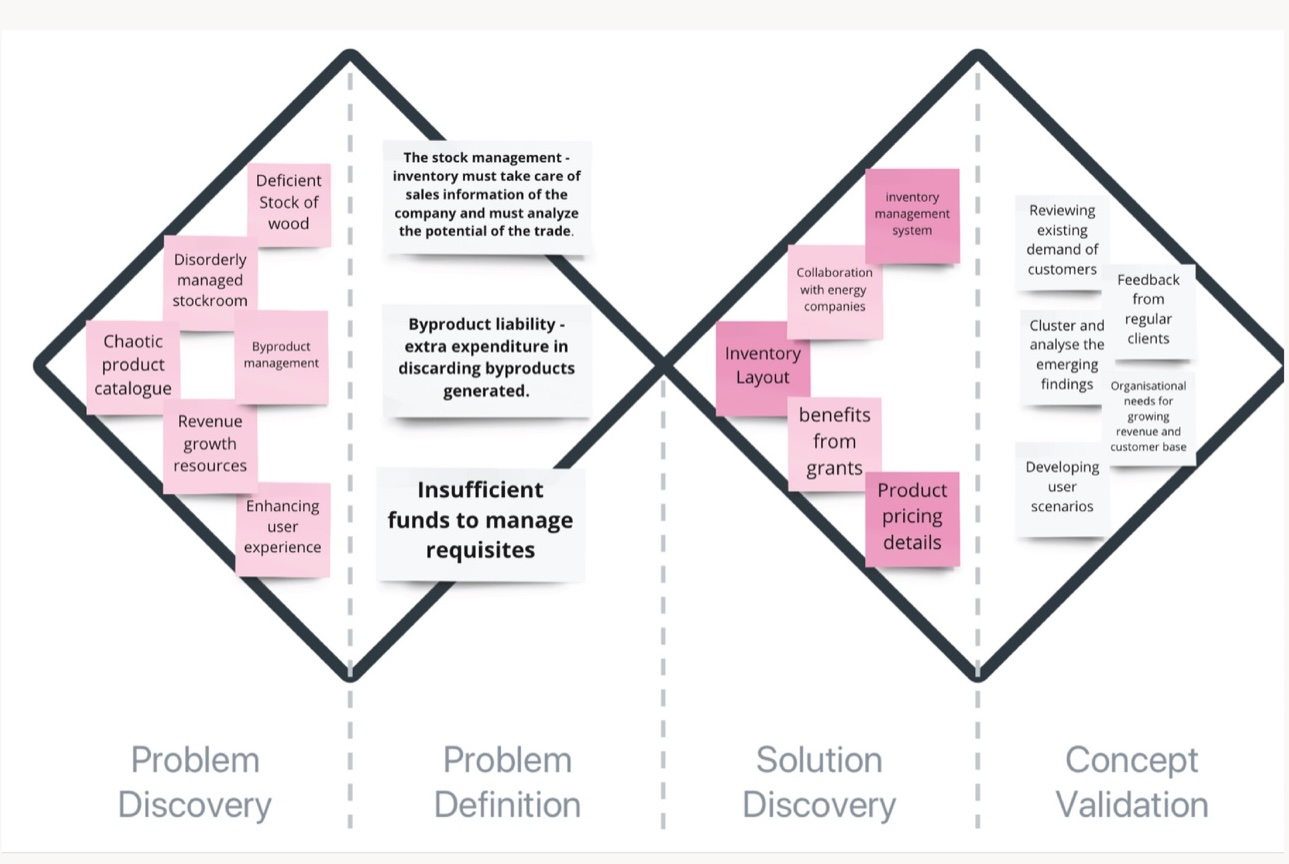
Research ran in four phases: problem discovery, problem definition, solution discovery and concept validation.
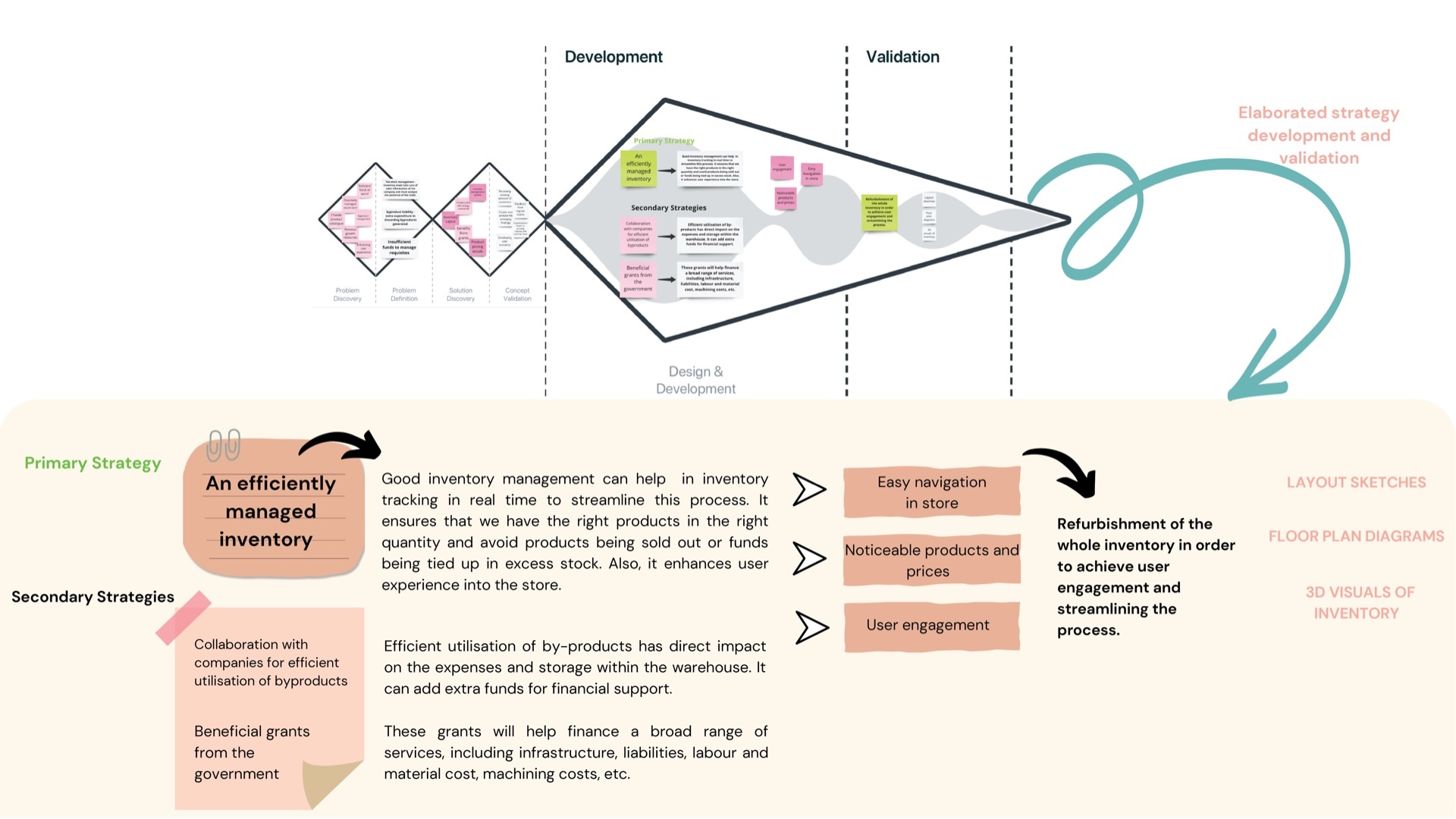
It uncovered three problem definitions: stock and inventory that drives sales, a by-product liability that adds to expenses, and revenue that needed to be stabilised. Solutions were analysed and validated before design development.
Design & development stage: primary and secondary strategy
Aim of research
Insights from the survey & interviews
“Waste Wood can start a community for wood lovers”
“Waste Wood can have more media presence”
“Always spend hours finding the perfect piece”
“Waste Wood can set up a good space for their wood collection”
“It's hard to come in and look for a particular piece and it's not in stock”
“Waste Wood can allow people to come in and learn about wood”
Brainstorming & ideation
Key insights
Inventory layout
Manage the space for stock while meeting demand and keeping enough material.
Pricing = value
An accurate pricing catalogue improves the experience. “Similar prices = similar quality = similar value.”

By-products = income
By-products can be extra income: a management system is needed.

Well-designed systems
Good management of inventory, finance and marketing is essential to a better user experience.
Strategy: key points
Revised strategies
Bio-energy partnership
We contacted companies about working with Waste Wood; Cape Byron was interested in partnering.
Website redesign
A clearer layout with an online shop and video tutorials.
Government funds
Funding brings money, credibility and potential clients from government agencies.
Current & future state
The current working process
Every piece can be customised to the client's needs. Untreated raw wood can't be sold for safety reasons.

Current state
- Lack of order in store
- Wood in various piles
- No clear markings for customers
- No self-serve options
- Vague pricing catalogue
- Large variety of wood

Desired state
- Layout that maximises space
- Clear markings to browse
- Clear, detailed pricing
- Catalogues in hotspots
- Well-organised stock
- An optimised, accessible website
Gaps
- Management issues
- Disorder in the stockroom
- Disorganised pricing
- Sales update gap
- Financial gap

Remedies
- Stock refurbishment & management
- Inventory management
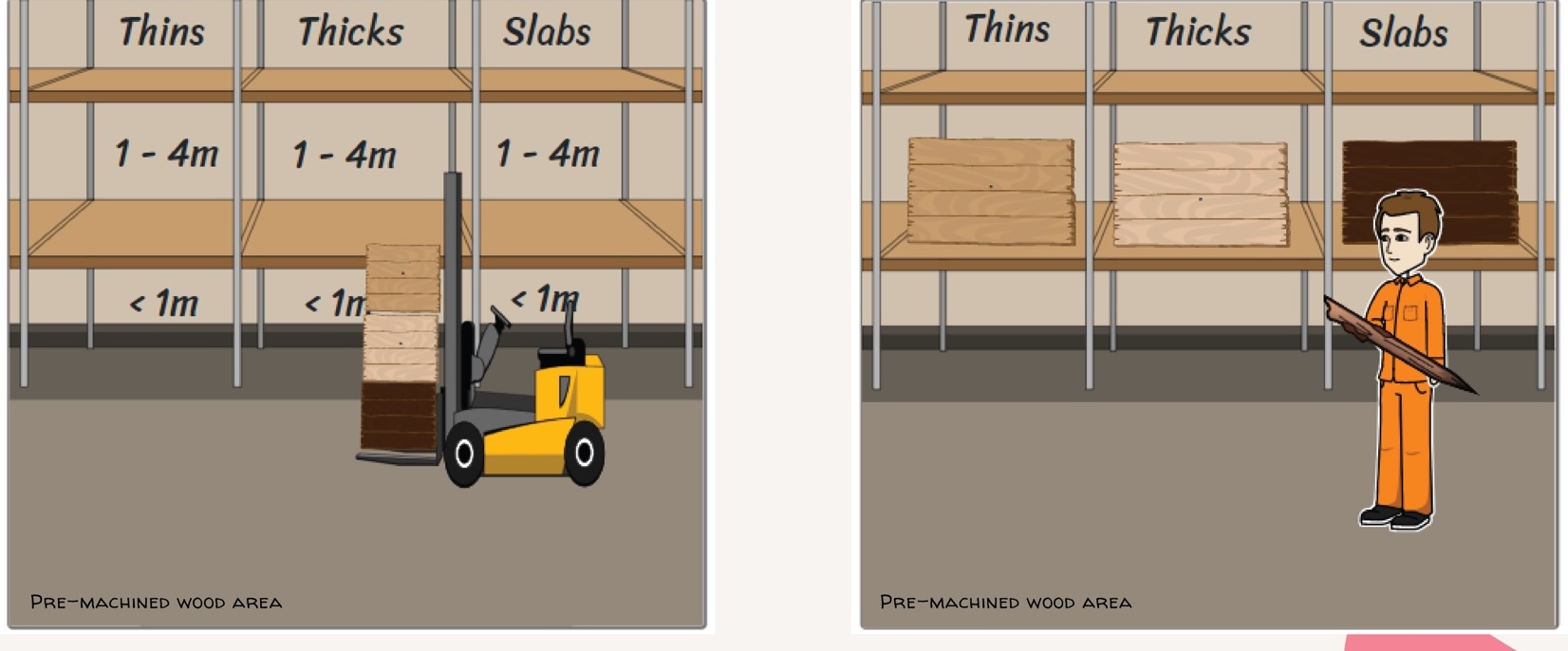
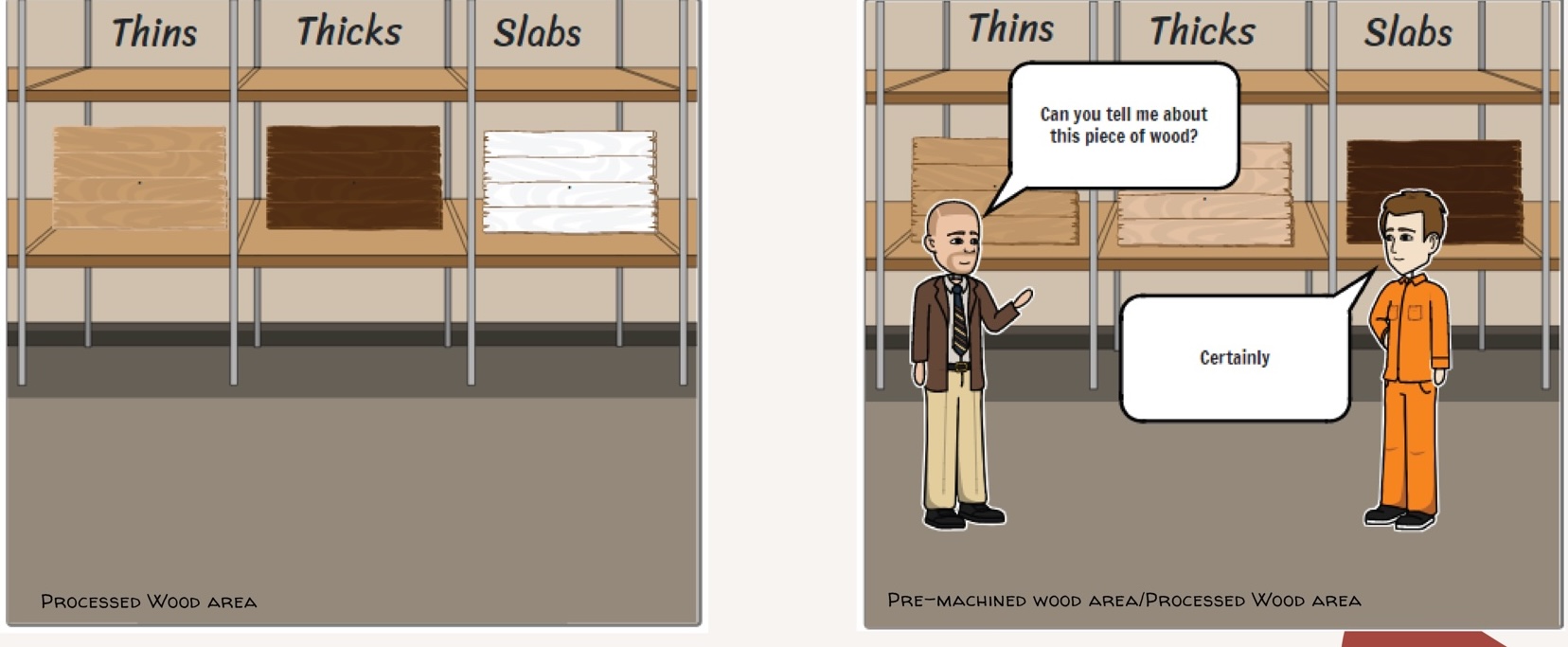
- Categorise wood by thickness & size
- Easy-access layout
- Financial management
- An optimised, accessible website
Final strategy
Designing the in-store experience

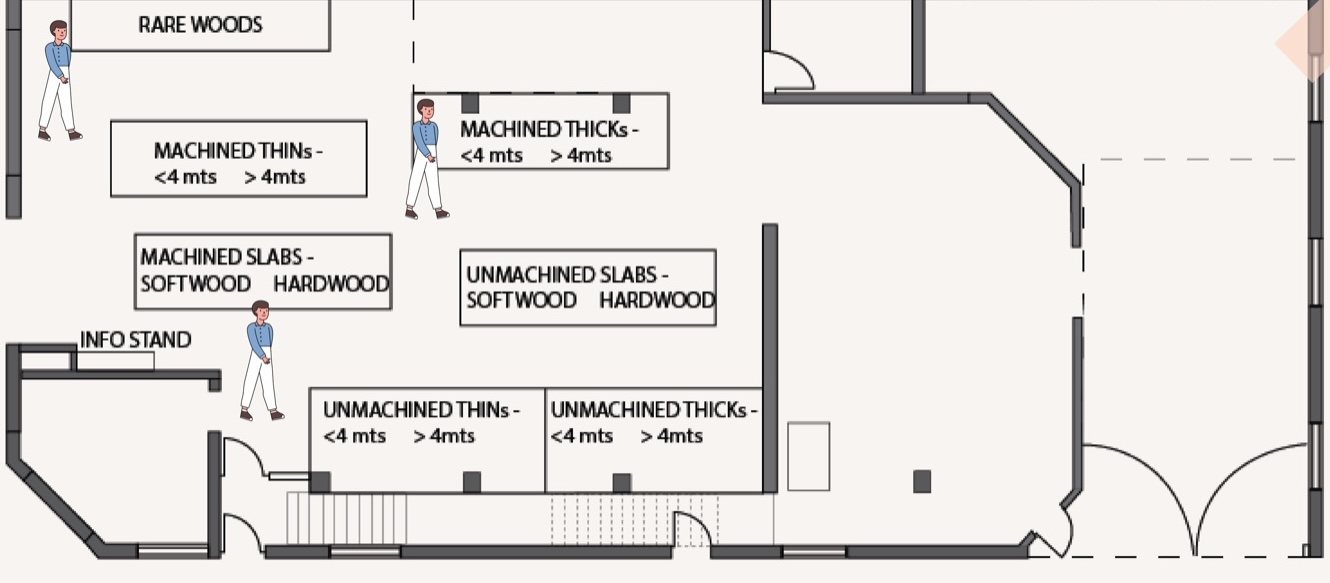
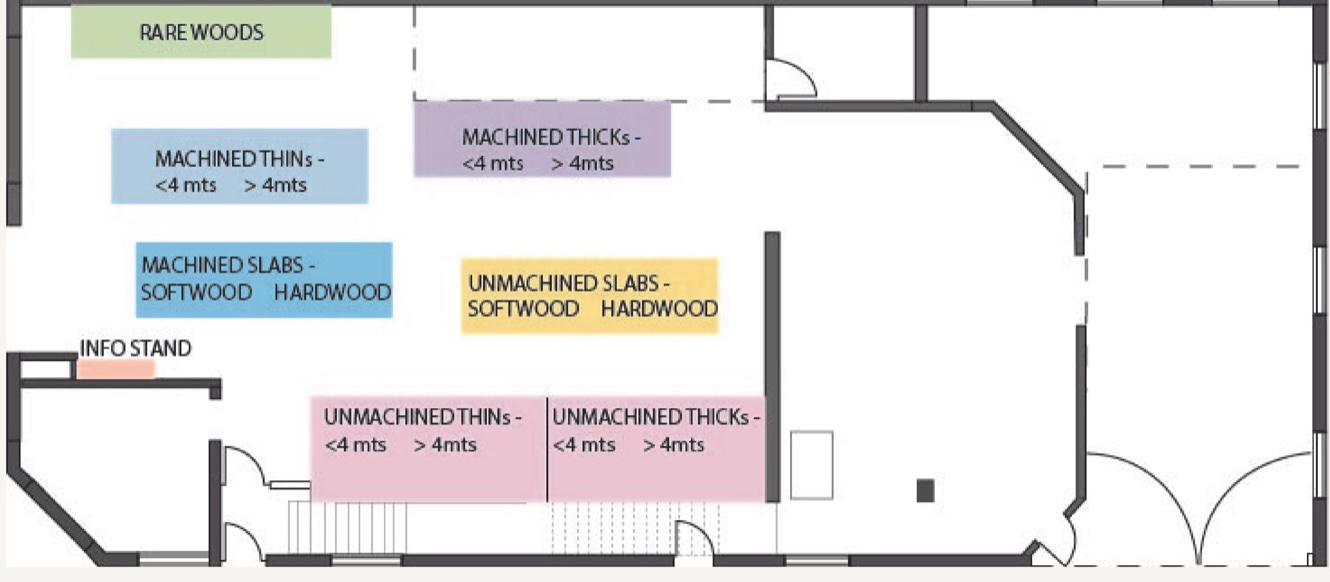
The store is reorganised to feel professional, so customers can navigate with less help from staff.

A vibrant, energetic atmosphere that reflects the brand the moment people walk in.

An info stand with booklets explaining the store's pathways and organisation, so choices feel easy.

A smooth, hassle-free shopping journey through the products.

A layout that keeps the team organised, saves time with customers and keeps inventory data up to date.

An exciting adventure in store that attracts new customers and re-engages regulars.
Colour psychology
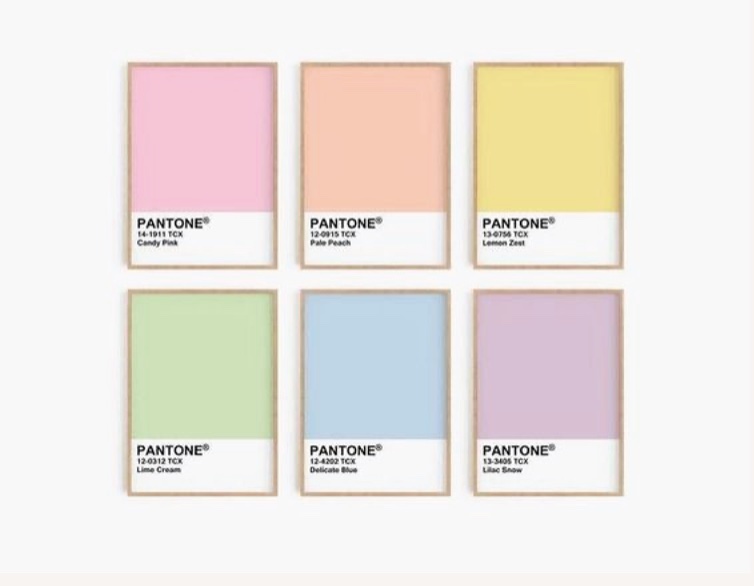
A positive, fun palette
Colour sets the atmosphere of a brand and influences how people decide, something a logo alone can't do. Soft pastels evoke a positive, fun store.
Proposed layout
Information booklet
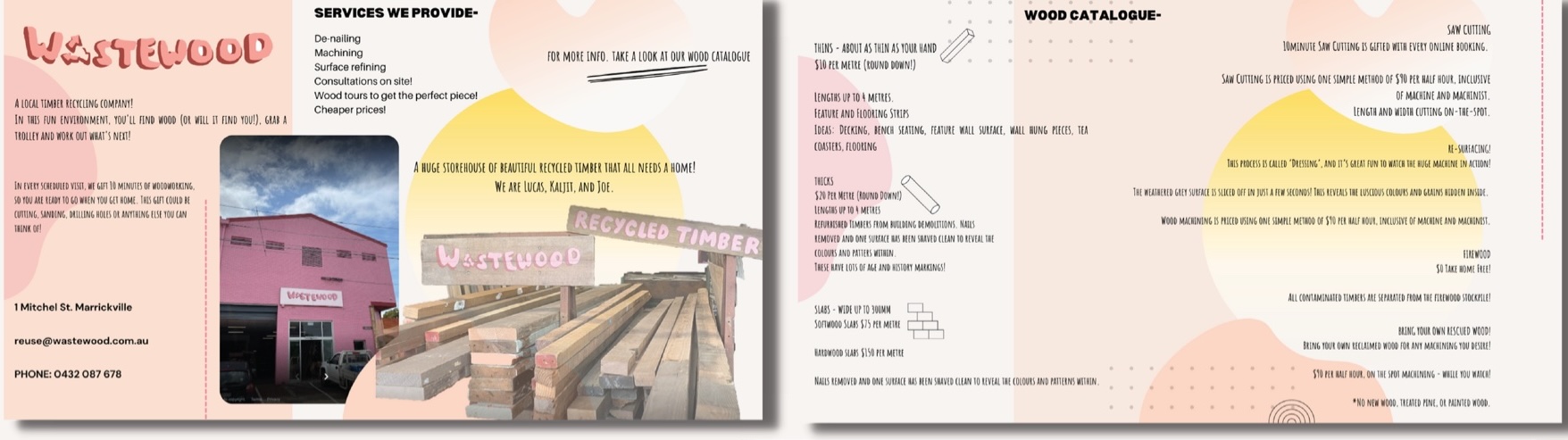
The first point of contact in store: what Waste Wood is, its services, the price list and catalogue, an in-store map and upcoming events.
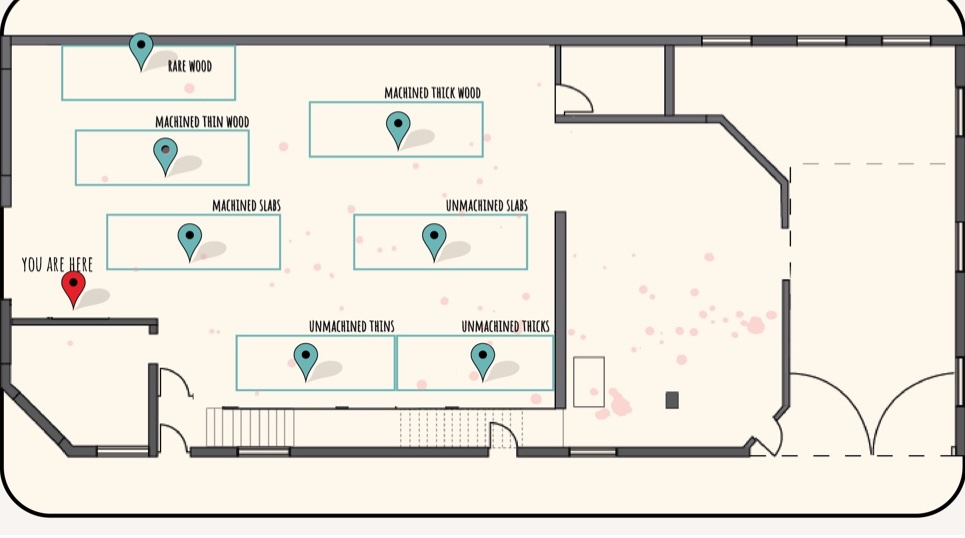
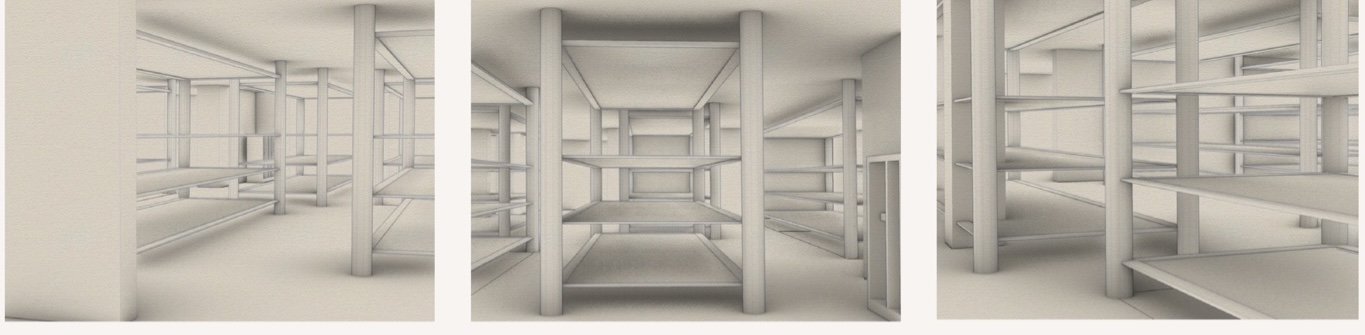
3D renders of the store

Case for change
The reason
- Abundant stock unaccounted for
- Layout not optimised
- No proper organisation
- No inventory system
- By-product recycling costs $100 a day
Evidence
- Customers said they don't like the layout
- They'd prefer a proper layout
- A good inventory system lifts the experience
- Space could be managed better
Potential solutions
- A better layout increases customer flow
- Giving by-products to bio-energy companies removes the $100 a day
- An inventory system increases efficiency
If not implemented
- Without inventory data, government grants are out of reach
- A self-serve layout brings more customers and sales
- By-product costs keep growing as a liability
Initiative: implementing an inventory system
Government funding
Initiative: apply for the Bin Trim program
An NSW program that supports local businesses in recycling.

Funds organisations to deliver waste assessments to NSW businesses

Waste experts assess for free and generate a tailored action plan in the Bin Trim app

Assessors support the business to cut landfill and recycle more

Eligible businesses can claim an equipment rebate of $1,000–$50,000, up to 50% of the price
Eligibility: willing to reduce waste, a private organisation with an ABN, registered for the program, and no more than 400 employees on site. The application needs data on diversion from landfill and increases in recycling, which the inventory system provides.
Business model canvas
- Company owners
- Local councils
- By-product collectors
- Consultation for every customer
- Cheap pricing
- Separating machined and unmachined wood
- Alternatives when a wood isn't in stock
- 10 minutes of free woodworking per booked session
- Variety of wood types and sizes
- One-on-one consultation
- On-the-spot machining
- Free firewood, site pickup
- Instagram presence
- Email, SMS and phone
- Slot booking online
- In-store consultations
- DIY enthusiasts
- Hobbyists
- Artisans
- Inventory software (Katana, inFlow, Zoho)
- Waste-collection partner for by-products
- Data on wood recycled
- Reorganised store layout
- Website
- Logistics
- Rent
- Machine maintenance
- Utilities
- Forklift and trucks
- Inventory software licence
- Wood sales
- Machining charges
- Leasing part of the warehouse
- Government grants
- By-product disposal
Value proposition & SWOT
Gain creators & pain relievers
- Free woodworking time with each session
- Variety of types, thicknesses and lengths
- One-on-one consultations and on-the-spot machining
- Cheap pricing, free firewood and site pickup
- One place to buy and get wood machined to size
Customer gains, pains & jobs
- Gains: variety in one place, expert advice, custom cuts, lower prices
- Pains: costly consultations, finding quality reclaimed wood, unique textures
- Jobs: going from shop to shop, browsing websites for the right piece
Strengths
- Consultations with customers
- A dedicated area to explore wood
- Every kind of machining in store
- A unique, vast variety of wood
- Free 10-minute machining when booked online
Weaknesses
- Initial time to set up inventory and re-layout
- Keeping an organised database of stock and sales
- Not every type or texture in store
Opportunities
- Government funding to help cover costs
- Benefits through the government program
- Revenue from by-product disposal
- Scaling inventory with software
Threats
- A growing number of competitors
- Not enough people to manage customers and machining
- Customers undervaluing recycled wood
Implementation timeline
Layout implementation
Wood colour-coded and organised on metal shelves by thickness and size, bringing more clients into the store.
Inventory roll-out
Rolled out alongside the reorganisation, giving solid data on wood stock and by-products.
Bio-energy partnership
After six months of inventory data, partner with the bio-energy company to cut by-product disposal costs.

Government funding
With enough data, apply for NSW recycling-sector funding.
What we recommend
Organisation
A ticketing system, with stock integrated into a database for record-keeping.
Inventory
Katana ($99/month), inFlow ($79/month) or Zoho ($97.90/month).

By-products
Sell mulch and sawdust to companies like Green Anvil and Straw Services Australia; partner with waste collectors.

Government funding
Apply for Bin Trim for credibility, funding and government agencies as potential clients.